Gameplay – A community experience, not a solo struggle
Why doubles only?
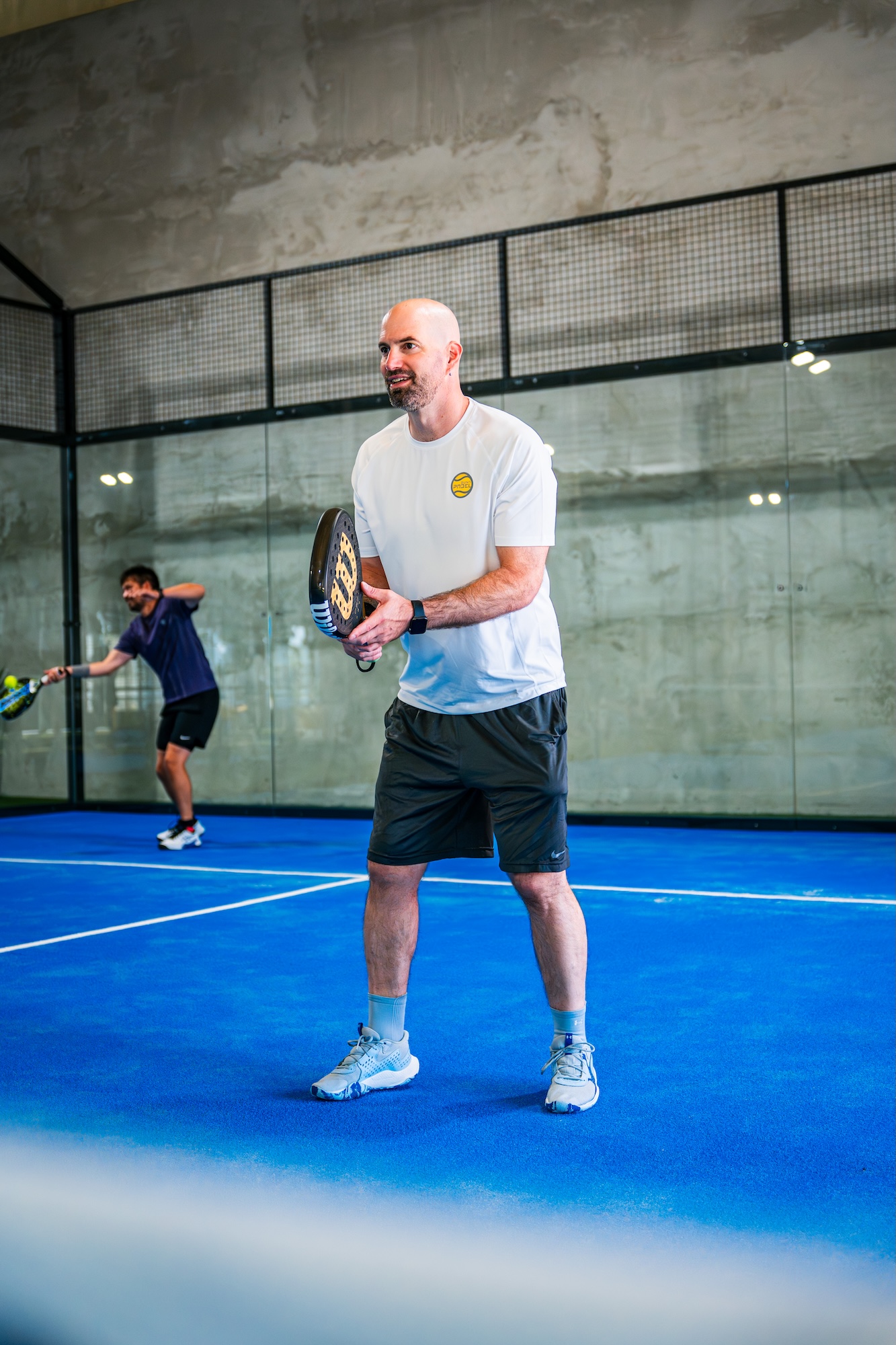
Padel is fundamentally played in two-person teams, unlike tennis, where singles play is also widespread. This rule reinforces the sport's community character – padel is not just a sporting event, but a social experience as well. Players must constantly communicate with each other, which strengthens team spirit. This doubles format traces back to padel's Mexican roots, where Enrique Corcuera and his friends viewed the game as a social event.
The doubles format offers numerous advantages: it splits the responsibility of court coverage, allows for specialization (e.g., one player favoring the net, the other playing more from the back), and reduces physical strain. Due to its doubles nature, padel is also an excellent team-building activity: companies are increasingly organizing padel events, where colleagues can not only play sports but also develop their collaboration skills. While only doubles matches are played in official competitions, at the recreational level there are singles and even 3-on-3 variants, especially for beginners or for training purposes.
The ball's path
Igazad van, elnézést — kihagytam. Itt az újra a kiemelésekkel:
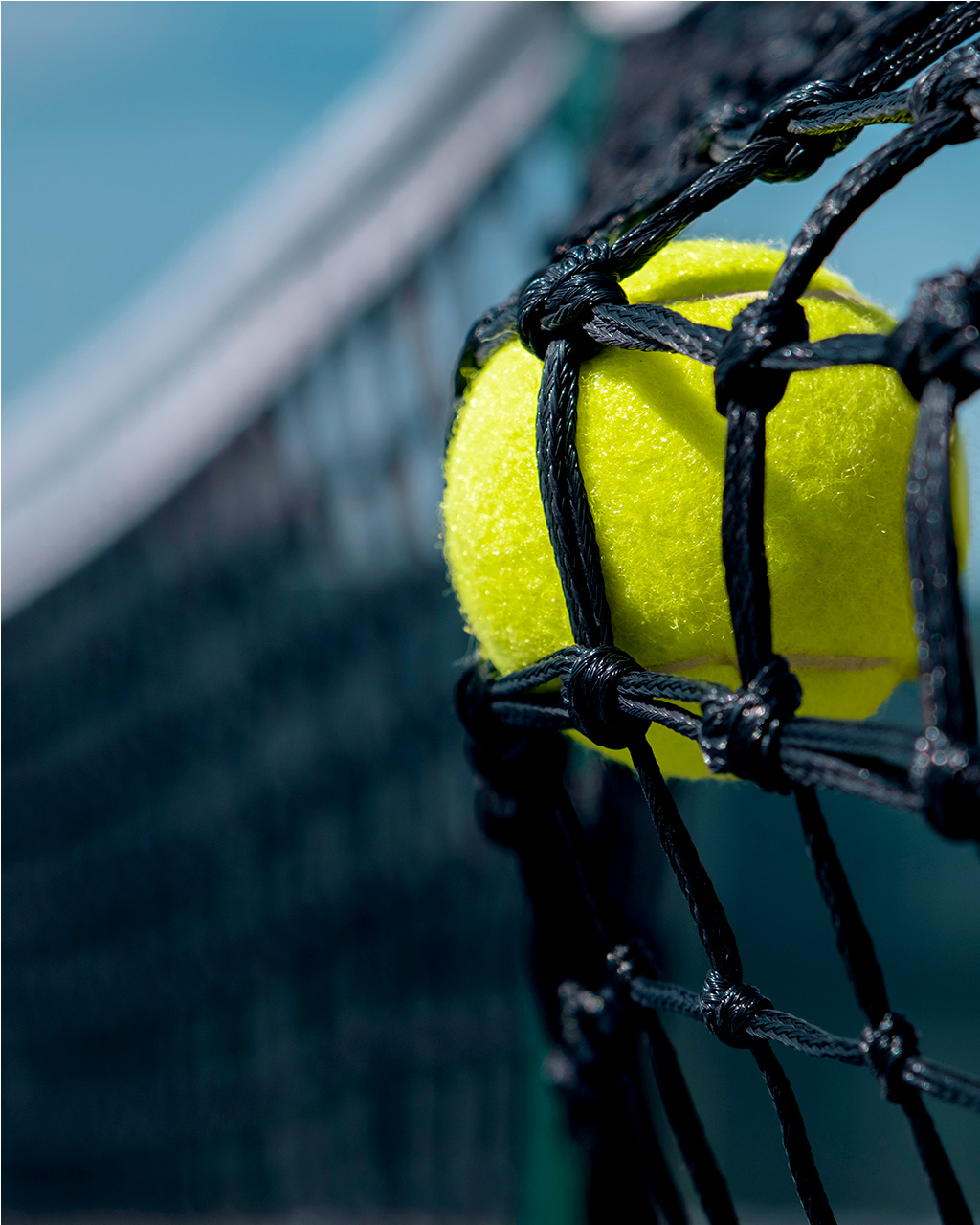
During play, the ball may bounce once on the player's side before being returned. This rule comes from tennis, but in padel it's supplemented with the fact that the ball can also rebound off the walls. Only one player may hit the ball before it crosses to the opponent's side – this rule prevents both team members from trying to hit the ball simultaneously. The ball's path can be much more varied than in tennis: it can bounce on the ground, then off the side wall, the back wall, or even both, before the player returns it. This complexity is what makes padel so exciting and unpredictable. Players must not only watch the opponent's shots but also anticipate the angles of rebounds off the walls. The ball's speed and bounce height also change when it hits a wall: it generally slows down and bounces lower, giving the defending player a chance to counterattack.
The role of the walls
After bouncing on the ground, the ball can rebound off multiple walls, providing a completely unique playing experience. This rule allows for creative solutions and unexpected angles, which are among padel's most exciting elements.
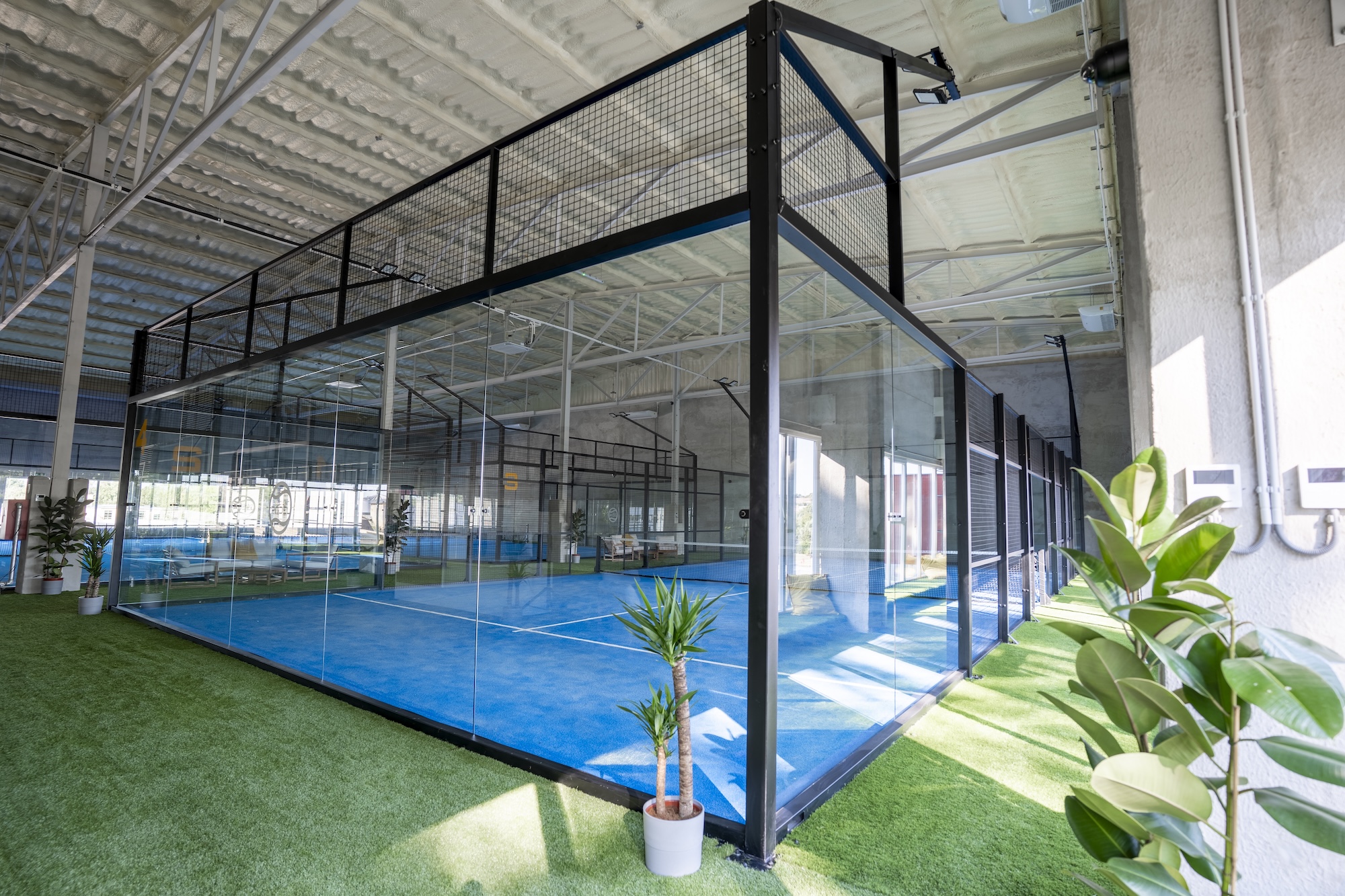
Using the walls is not just a tactical option but also a necessity: due to the smaller court size, players are often forced to return balls rebounding off the walls. The material and quality of the walls significantly influence the character of the game: glass walls provide an even, predictable bounce, while on older, concrete-walled courts the bounce was less predictable. Using the walls requires special techniques: players must learn to "read" the wall, meaning to anticipate how the ball will behave after impact. There are also special shot types built specifically around exploiting the walls: such as the "chiquita" (a small shot off the wall) or the "vibora" (snake), where the player intentionally strikes the ball off the wall so that it arrives at an unexpected angle on the opponent's side.