

Special equipment for a special game
The philosophy of the racket
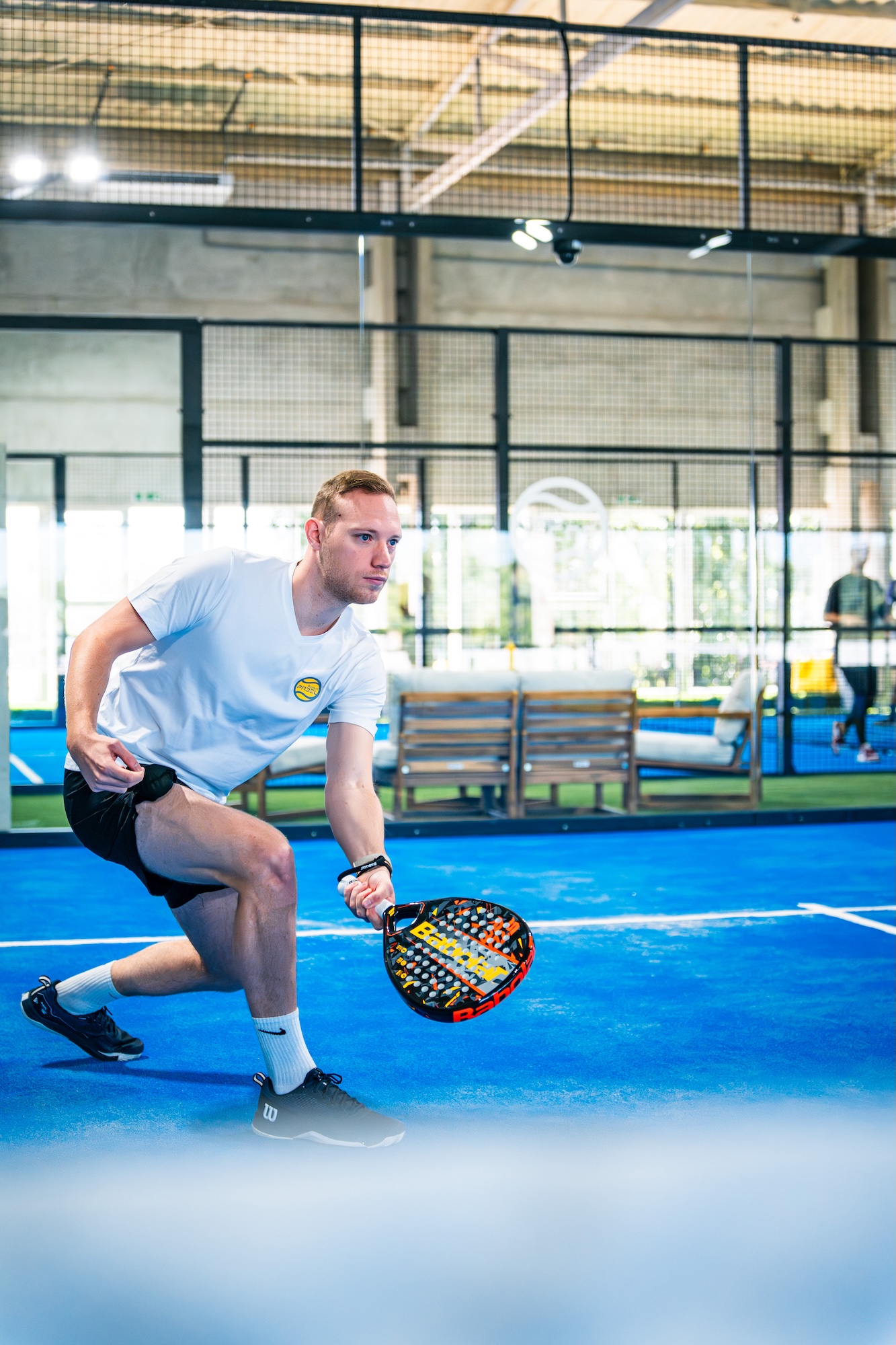
The padel racket is completely different from a tennis racket – smaller, with a solid surface, and perforated. This racket wasn't designed for powerful shots, but for precise control and play with the walls. For safety reasons, the racket must be attached to the wrist with a strap. This rule protects players, since the racket can easily slip out of the hand during quick movements.
The padel racket's maximum length is 45.5 cm, its width is 26 cm, and its thickness is 38 mm – these dimensions provide optimal balance between control and power. Racket materials are continuously evolving: the initial wooden rackets have been replaced today by high-tech composite materials made up of different layers. The outer layer is generally fiberglass or carbon fiber, while the inner core can be EVA (ethylene-vinyl acetate), rubber, or polyurethane foam.
The combination of different materials provides different playing experiences: softer cores offer more power and comfort, while harder ones provide greater control and precision. The holes on the racket's surface are not random: their number, size, and placement are scientifically designed to reduce air resistance and increase the racket's speed.
The character of the ball
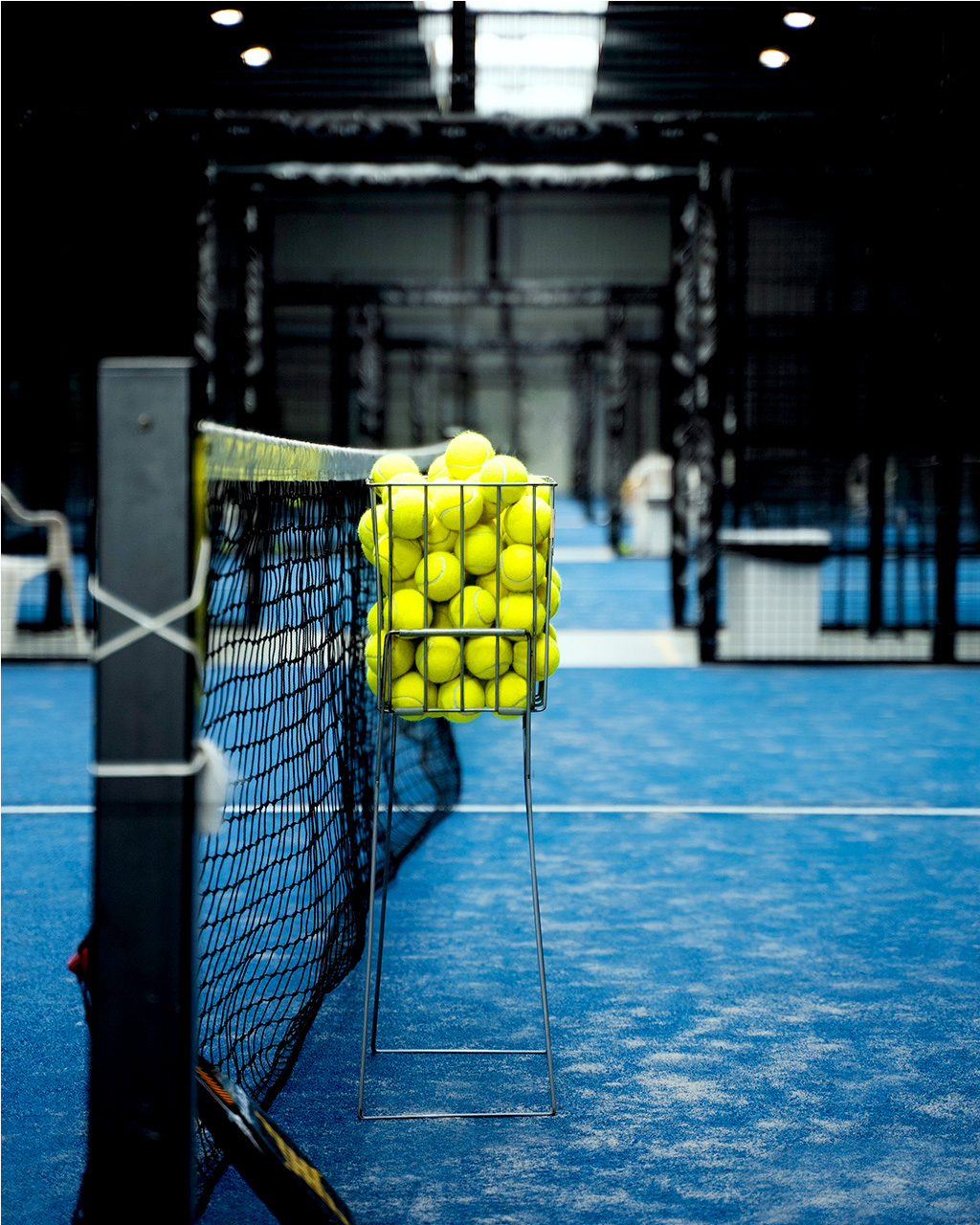
The padel ball is very similar to a tennis ball, but it's slightly smaller and has lower pressure. This difference is not coincidental: lower pressure results in slower play, which gives more time for thinking and applying tactical elements. The ball's diameter is approximately 6.35 cm, its weight is 56-59 grams, while a tennis ball's diameter is 6.7 cm. Padel balls are generally yellow, but in tournaments other colored balls, such as white or orange, can also be used, especially if the background or lighting warrants it.
The balls' internal pressure is a critical factor: the pressure of balls used in official tournaments is strictly controlled to ensure even playing conditions. The balls' surface is felt-covered, which affects the bounce height and speed. There can be significant differences between balls from different manufacturers: some are faster and bounce higher, others are slower and more controlled.
Professional players generally prefer the balls used in official tournaments, while for beginners, slightly slower, lower-pressure balls are more ideal, since they give more time to react and take up the correct position.
Equipment on the padel court – The art of choosing wisely
Padel shoes – The stable foundation
Footwear specifically designed for padel is key to injury prevention and maximizing performance. Padel shoes have special features tailored specifically to the sport's unique movement patterns and the court surface. Shoes developed for artificial-turf padel courts generally have a herringbone or honeycomb pattern sole, which provides optimal grip for quick direction changes and lateral movements, while not getting caught between the artificial turf fibers.
Quality padel shoes are characterized by a reinforced toe section, which provides protection during the frequent movements near walls. The middle section of the shoe stabilizes the foot during lateral movements, while the heel padding cushions impacts during jumps and quick direction changes. Professional players generally wear out 3-4 pairs of shoes per season, which clearly shows how intensive the wear and tear on this equipment is.
For shoes used on indoor padel courts, a non-marking sole that doesn't leave streaks on the court surface is especially important. The best brands, such as Adidas, Babolat, Head, and Bullpadel, continuously develop their padel shoes so that they become increasingly lighter, more breathable, and more durable, while providing maximum support for players.
Apparel – Comfort and functionality
When choosing padel apparel, comfort and functionality are the primary considerations. The sport requires intense, quick movements and sudden direction changes, so the clothing must allow free movement of the body while effectively wicking away sweat. Shirts and shorts made from technical fabrics not only make the game more comfortable but also help regulate body temperature.
For players on indoor courts, layered dressing is especially important, since in enclosed spaces the body warms up quickly but can also cool down rapidly during breaks. Modern padel apparel often includes compression elements that support the muscles and improve blood circulation, thereby reducing the risk of injury and speeding up recovery.
Professional players' clothing is generally made from light, flexible, and breathable materials, such as polyester-elastane blends. These materials dry quickly and don't restrict movement. For women, specially designed padel skirts and shorts come with extra pockets for storing spare balls, while men often choose shorts with an inner compression layer.
Accessories – The small details that make a big difference
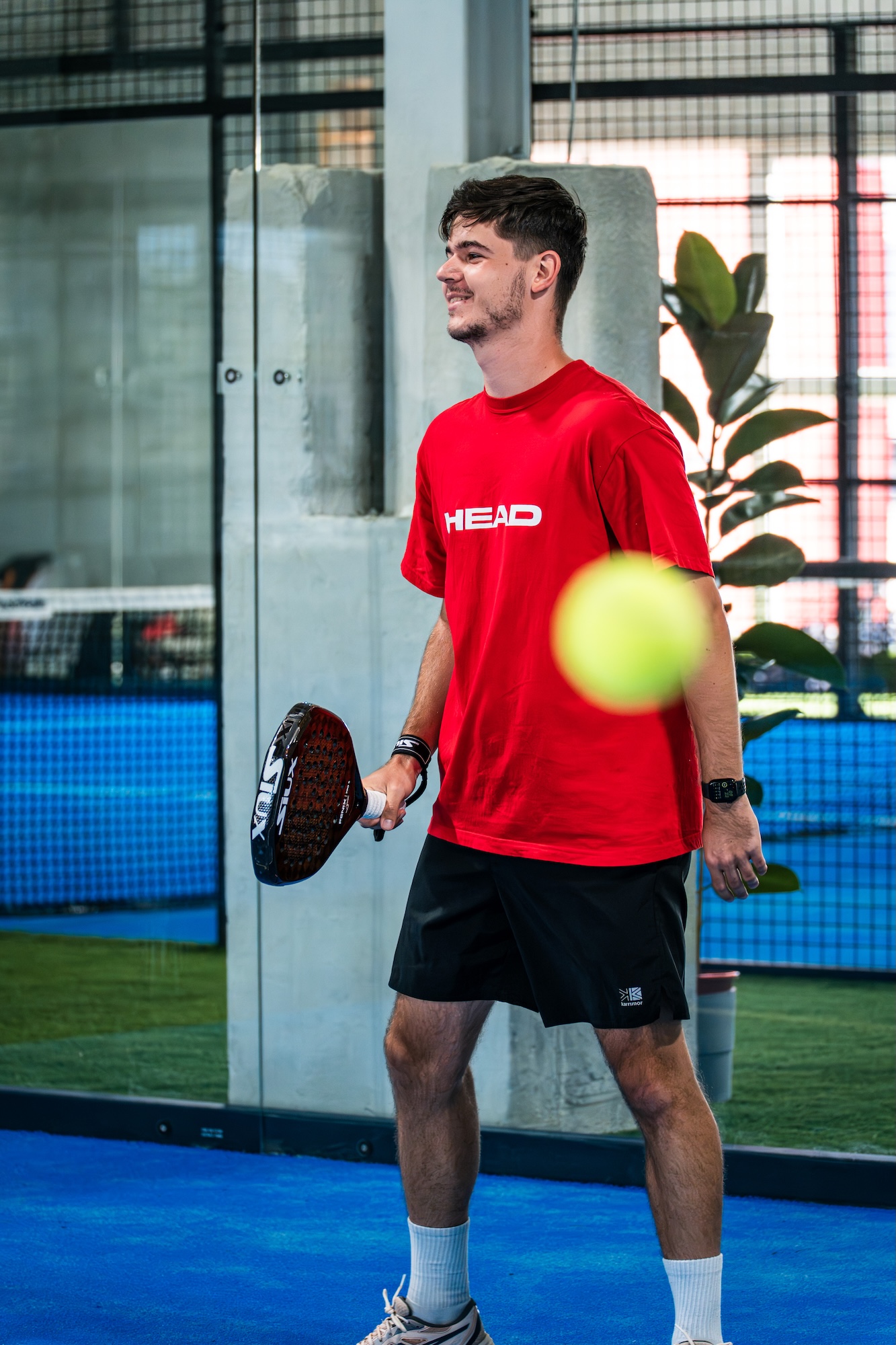
The experience and effectiveness of the padel game can be enhanced by numerous accessories. Wristbands not only help absorb sweat but also provide extra support to the wrist during hard shots. Headbands and caps are particularly important even on indoor courts, where artificial lighting and sweat can interfere with vision.
Padel gloves are becoming increasingly popular, especially during colder periods or in cases of excessive sweating. These special gloves improve grip on the racket while allowing the hand to breathe. Professional players also often use vibration dampening devices on their rackets, which reduce vibrations affecting the arm and elbow, thereby preventing overuse injuries.
Padel bags are specifically designed for the sport's needs: they have separate compartments for rackets, shoes, clothing, and other equipment. Premium bags also feature insulated compartments for storing drinks and food, and are made from waterproof materials to protect equipment from any potential moisture.
Tech accessories – Tools of the modern padel game
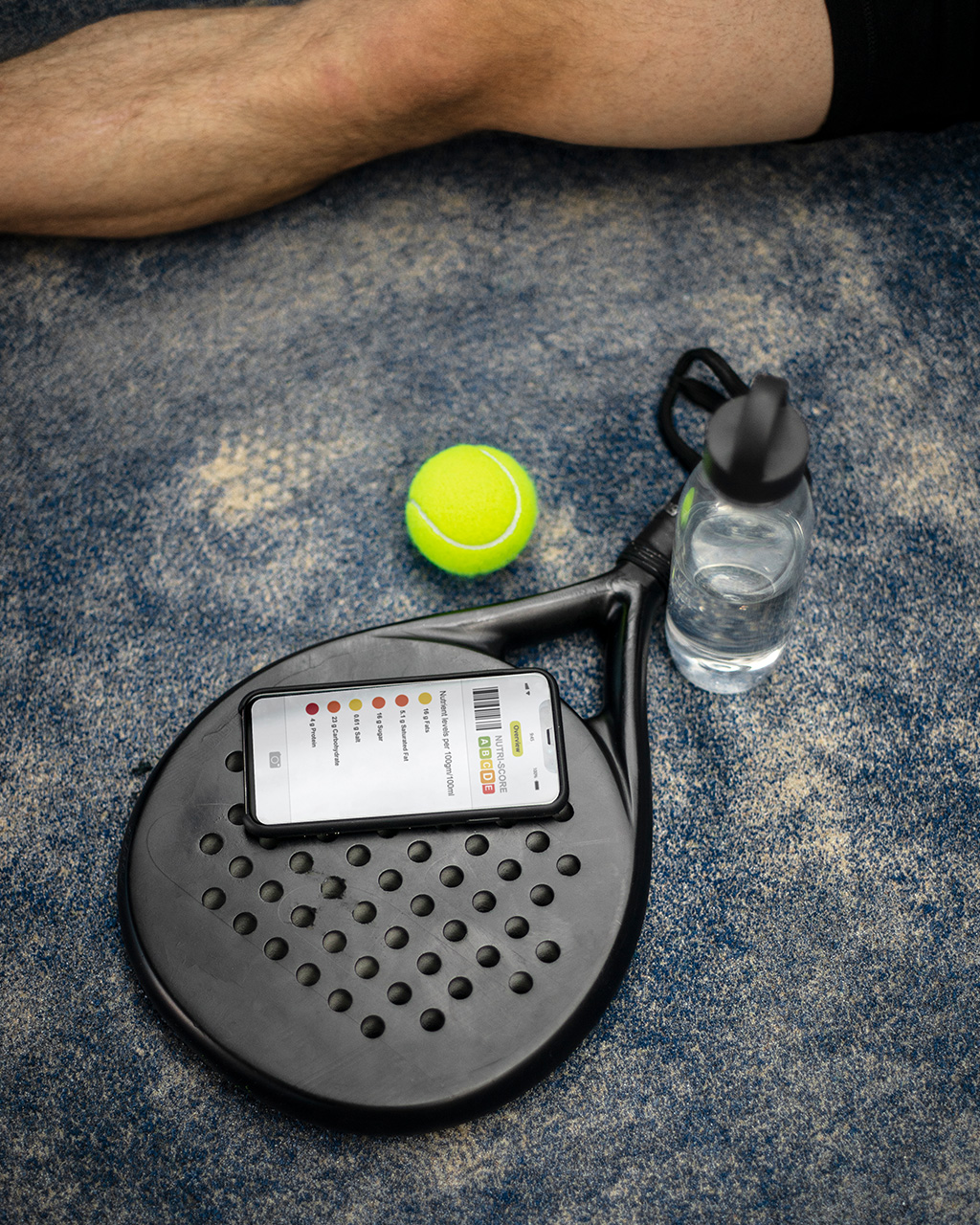
With the advancement of technology, new accessories have appeared in the world of padel. Sensors that can be mounted on the racket provide real-time data on shot speed, spin, and accuracy, which can be analyzed through smartphone applications. These tools are particularly useful during training, since they provide objective feedback on the player's performance.
Special sports watches and activity trackers not only monitor the player's physical state (heart rate, calorie burn), but some models are also capable of recording distance covered on the court and movement patterns. This data can help refine playing strategy and optimize physical preparation.
The padel equipment market is constantly evolving, enriching players' toolkits with new innovations. Choosing the right equipment is important not only from the perspective of comfort and performance but also plays a key role in injury prevention, so it's worth investing time and energy into finding the products best suited to personal needs.